Description
Transitions 73.7%, no sentence over 19 words. Both green, so sentence length won’t flip red as a side effect.
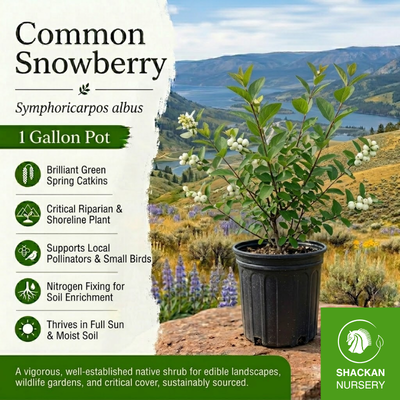
Scientific Name: Symphoricarpos albus
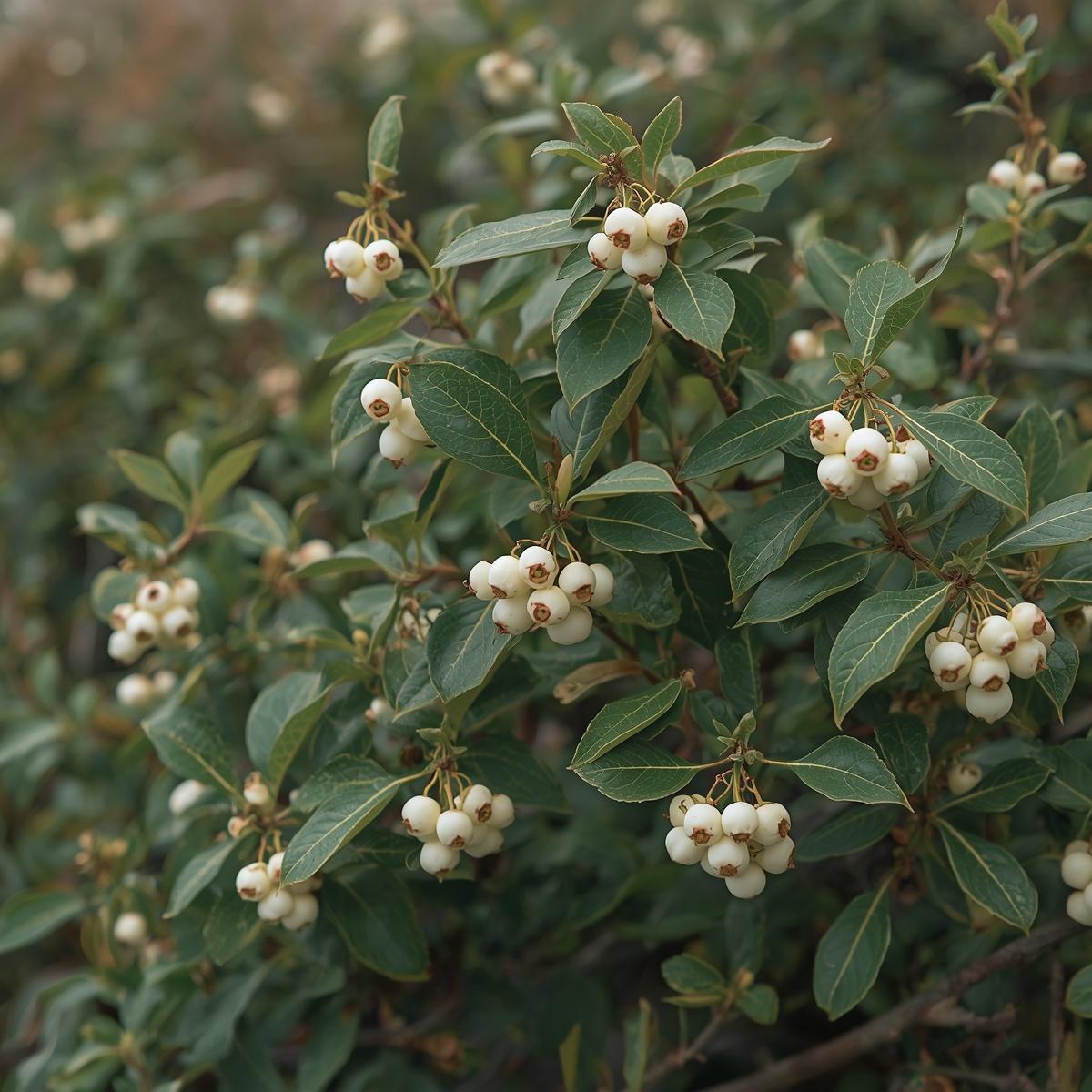
Add a hardy, wildlife-friendly native shrub to your landscape with Common Snowberry (Symphoricarpos albus), found throughout British Columbia. Indeed, its clusters of white berries persist into winter, giving the plant its name. As a result, it offers lasting seasonal interest.
Because Common Snowberry adapts to the varied soils of Interior BC, it tolerates both sun and shade. In addition, it offers dainty pink flowers, arching branches, and bright white berries. As a result, it works well for hedgerows, pollinator plantings, and erosion control.
It grows naturally in open forests, thickets, and streamsides. Moreover, this adaptable shrub spreads by roots to form dense cover. Above all, it stabilizes soil while providing food and shelter for wildlife.
Common Snowberry Features
Native to British Columbia and much of Canada
Clusters of white berries into winter, although not edible
Delicate pink summer flowers, especially prized by bees
Spreads by roots, so it forms dense cover
Tolerates sun and shade, including poor soils
Supports pollinators and birds, especially in winter
Ideal for hedgerows and erosion control
Growing Common Snowberry
Mature Height: 0.5 to 2 m (1.5 to 6.5 ft)
Spread: 1 to 2 m (3 to 6.5 ft)
Light Requirements: Full sun to shade
Soil Requirements: Adaptable, well-drained soils
Moisture Requirements: Low to moderate
Hardiness Zone: 2 to 7
Ecological Benefits of Common Snowberry
Common Snowberry’s summer flowers feed native bees, hummingbirds, and butterflies. Meanwhile, its winter berries provide food for birds when little else remains. In addition, its spreading roots stabilize soil, so its dense form shelters wildlife. As a result, this species supports pollinator habitat and watershed restoration.
Safety warning: the white berries are poisonous to people. Specifically, they contain saponins and related compounds. Therefore, substantial ingestion can cause nausea, vomiting, cramping, and diarrhea. In fact, cases of poisoning in children are documented in the medical literature. Above all, take care where young children play, and never present these berries as edible.
Please note: As a native plant, size and appearance may vary depending on the season and stage of growth.



Reviews
There are no reviews yet.